 es
 English
 Español
Contenido
- 1 Access Hatches vs. Access Panels: Where the Line Is Drawn
- 2 EN 124 Load Classes: The First Decision
- 3 Material Comparison: SMC Composite vs. Cast Iron, Aluminum, and Steel
- 4 Hidden Metrics: Weight and Handling Cost
- 5 Where Access Hatches Are Used: Application Mix
- 6 Selection Checklist and ROI Perspective
- 7 Maintenance and Compliance
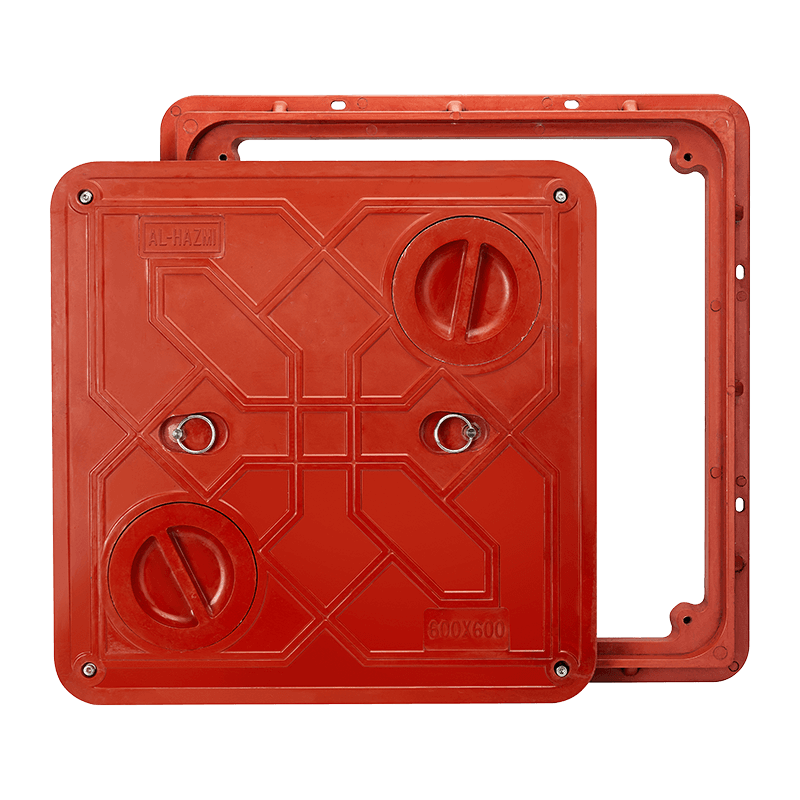
Every second year, the facilities team at a coastal water utility pulls up access hatches that have rusted around the hinges, replaces the steel covers, and re-pours the frame bed. The cycle repeats because the original specification focused on the purchase price rather than the total cost of ownership. If you are selecting access hatches for a municipal, industrial, or commercial project, the core conclusion is straightforward: composite (SMC) access hatches meet the same EN 124 load classes as metal alternatives while offering better corrosion resistance, lighter handling weight, and a longer maintenance-free service life.
Choose the access hatch by duty class first, material second, and security hardware third. In most below-ground utility and building applications, a glass-reinforced composite hatch delivers the lowest lifecycle cost because it eliminates painting, rust repair, and premature replacement.
For underground utility access, the cover is only half of the system. An access chamber combining cover, frame, and enclosure from the same corrosion-proof material avoids the weak points that appear where metal parts meet concrete.
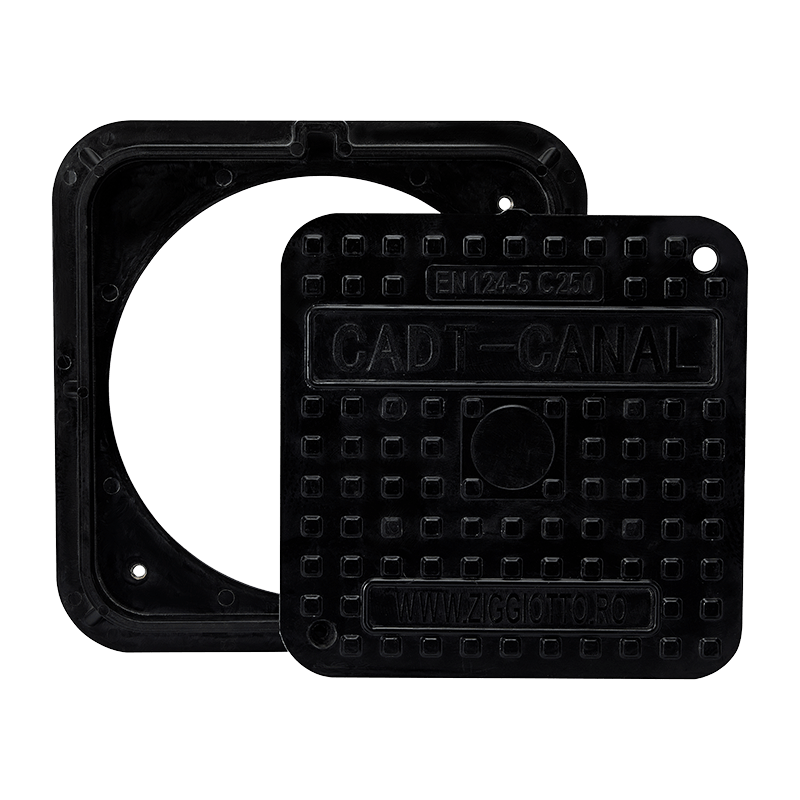
 Composite Access Chamber System with Corrosion-Proof Frame and Cover This complete access chamber pairs a composite cover, frame, and enclosure to eliminate weak points where metal meets concrete, making it a durable choice for underground utility networks and building service points. View Product →
Access Hatches vs. Access Panels: Where the Line Is Drawn
An access panel is usually a small, removable or hinged plate that allows a gloved hand or a tool to reach a valve, junction box, or duct cleaning port. An access hatch is a larger, load-bearing cover that lets a person enter a space, or that protects an opening subject to foot or vehicle traffic. In utility networks, access hatches sit on top of manhole chambers and handhole chambers; in buildings, they appear in plant rooms, roof access points, and service tunnels.
The distinction matters because it drives the engineering requirements. A panel is specified for access frequency and fire rating; a hatch is specified for load class, impact resistance, and security.
What a Specifier Should Expect from a Proper Access Hatch
EN 124 Load Classes: The First Decision
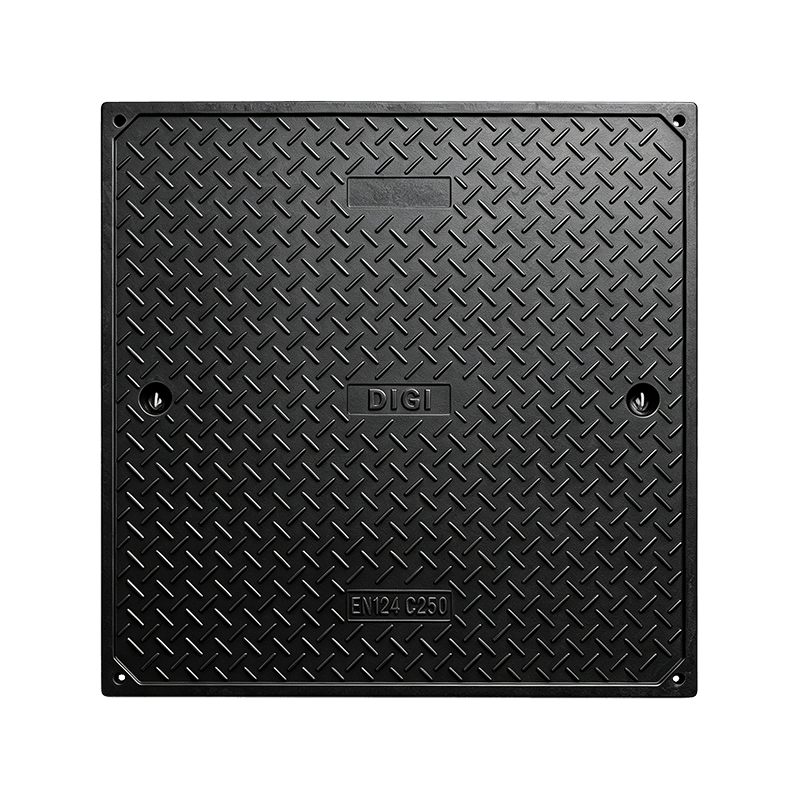
EN 124 is the reference standard for gully tops and manhole tops across Europe and is widely accepted worldwide. It defines four load classes relevant to most access hatch projects.
EN 124 class selection is the first specification decision; material and thickness follow from it.
A common error is specifying B125 for a maintenance access point that service trucks occasionally cross. Upgrading to C250 or D400 adds little cost in composite material but prevents a safety incident and a liability claim.
In utility pipelines, the chamber under the hatch must match the cover's duty. A composite manhole chamber ties the whole structure into one non-corroding system.
SMC Composite Manhole Chamber for Personnel Access and Maintenance Designed for deep pipeline junctions, this spacious chamber features corrosion-resistant SMC walls, built-in steps, and leak-free construction—essential for safe crew entry and complex underground maintenance work. View Product → Material Comparison: SMC Composite vs. Cast Iron, Aluminum, and Steel
Cast iron has been the default for generations. Aluminum offers a lighter alternative for interior and light-duty exterior uses. Coated steel is common on budget projects. SMC (sheet molding compound) composite is the material gaining ground because it directly addresses the two things metals do poorly: corrosion and weight.
Typical reference values for a 600mm round access hatch cover; actual figures vary by design and manufacturer.
Load capacity is not tied to material density. SMC hatches reach D400 through ribbed geometry and glass-fiber reinforcement, not through sheer mass. That is why a composite cover can carry a truck while remaining light enough for one person to lift.
Hidden Metrics: Weight and Handling Cost
Spec sheets list load ratings and dimensions, but they rarely quantify the cost of handling. A 600mm cast-iron cover weighs around 48 kg; the same opening in SMC composite weighs roughly 13 kg. That difference drives real outcomes during delivery, installation, and maintenance.
Typical weight of a 600mm round access hatch cover by material, reference values.
A 35 kg difference per cover matters in every installation: fewer manual-handling injuries, no need for a crane or a two-person lift on small covers, faster installation, and lower freight volume. For a project with 200 hatches, the cumulative weight saving can cut logistics and labor cost by thousands of dollars.
Composite also does not create a scrap-metal theft target. Municipal buyers often discover this hidden metric only after their third set of steel covers disappears overnight.
Where Access Hatches Are Used: Application Mix
Across recent municipal, transport, and commercial projects, the demand for access hatches splits into a predictable pattern. The distribution below reflects typical procurement data and project experience.
- Municipal water & wastewater — 34%
- Power & telecom — 26%
- Commercial buildings — 18%
- Transportation hubs — 14%
- Other industrial — 8%
- Municipal water & wastewater (34%): manhole chambers on sewer, stormwater, and water lines; valve pits; meter chambers.
- Power & telecom (26%): handhole chambers for cable pulling, splicing, and service joints, where shallow access and quick opening matter.
- Commercial buildings (18%): plant rooms, rooftop access points, service ducts, and plaza-level entrance covers.
- Transportation hubs (14%): airports, ports, and rail platforms where fire safety, anti-slip surface, and load tolerance are critical.
For shallow cable and pipe access on power and telecom routes, a handhole chamber with an integrated composite cover provides a complete, non-corroding enclosure that can be installed without heavy equipment.
Compact SMC Handhole Chamber for Shallow Utility Access Ideal for sidewalks and green belts, this lightweight handhole chamber provides a non-corroding enclosure for monitoring and unblocking rainwater, sewage, telecom, and power cable connections. View Product → Selection Checklist and ROI Perspective
A disciplined five-step process keeps the specification on track.
At typical replacement intervals, a coated steel hatch replaced every 6–8 years costs roughly twice as much over 30 years as a composite hatch that is still in service. When you add the labor and traffic disruption for each replacement, composite SMC is not a premium option — it is the conservative choice.
For special loads, dimensions, or engraved logos, manufacturers with in-house engineering can adapt the geometry and rib layout. This type of core engineering solution is part of turning a standard access hatch into a project-specific component.
Maintenance and Compliance
Even the most durable hatch needs a small amount of routine attention. Build these checks into the facility schedule.
- Quarterly visual check: look for cracks, deformation, or worn gaskets; clear debris from the frame channel so the cover seats fully.
- Annual functional test: open and close each hatch; lubricate stainless-steel hinges and confirm locks engage completely.
- After nearby roadworks: inspect for mortar or asphalt bridging that prevents the cover from seating and creates a tipping hazard.
Compliance starts with documentation. Insist on load test reports to EN 124, material data sheets for the SMC compound, and traceability of the production batch. A manufacturer that cannot provide load-test evidence is a procurement risk regardless of the price.
Selecting an access hatch is not an exercise in choosing the heaviest cover; it is an exercise in matching load class, material behavior, security, and lifetime cost. Composite access hatches, paired with composite chambers and covers from the same material system, eliminate the corrosion and weight penalties of metal while meeting the same standards. When you evaluate your next project, put the lifecycle cost on the table and specify the hatch that will still be opening smoothly in 25 years.